

When life gets busy, sleep is usually the first thing we trade away. During flu season, that trade costs more than you might think.
What one study found
Researchers at UCSF and Carnegie Mellon tracked the sleep of 164 healthy adults for a week, then gave them nasal drops containing a cold virus and watched who got sick. People who slept less than six hours a night were about 4.2 times more likely to catch the cold than people who slept more than seven. Under five hours, the odds were about 4.5 times higher. Short sleep predicted who got sick better than age, stress level or smoking did.
Most adults do best with 7 to 9 hours a night.
Where stress comes in
Stress and sleep pull on each other. A stressful week makes it harder to fall and stay asleep, and short sleep makes stress feel bigger the next day. Many people also feel that stress physically, as tight shoulders and a stiff neck, which can make getting comfortable in bed harder still.
A neck-friendly bedtime routine
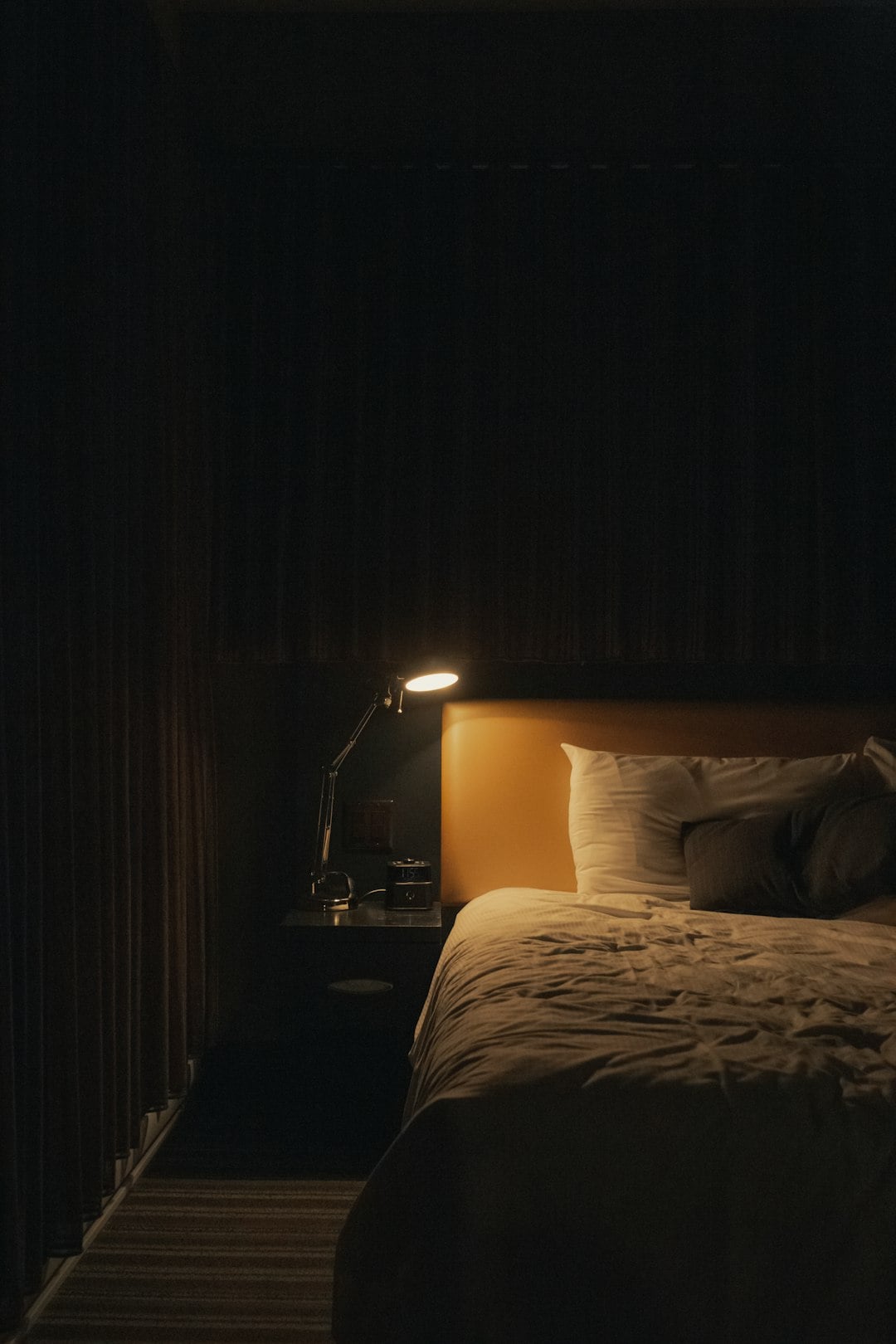
- Keep one wake-up time, even on weekends. It’s one of the simplest ways to steady your sleep.
- Park your phone across the room 30 minutes before lights out. Less scrolling, and less looking down.
- Dim the lights and cool the room. A cool, dark, quiet bedroom helps most people sleep.
- Check your pillow height. On your back or side, your pillow should keep your head in line with your spine, not tipped up or sagging down. Side sleepers usually need a thicker pillow than back sleepers.
- Go easy on stomach sleeping. It keeps your head turned to one side for hours, which many people feel in their neck the next morning.
- Try a two-minute release before bed: a few shoulder drops, gentle neck turns and slow breaths with a long exhale.
When to talk to a doctor
If you snore loudly and wake up gasping, feel exhausted after a full night in bed, or have struggled with insomnia for weeks, talk with your medical provider. Sleep apnea and other sleep disorders are common and treatable.
How we can help
If neck or shoulder tension is keeping you from getting comfortable at night, we can look at what’s driving it and suggest pillow, position and stretching changes that fit you.
Waking up stiff? New patients get a free 15-minute consultation. Book online or call (360) 922-0626.
General education, not personal medical advice.
Sources: UCSF: Short sleepers are four times more likely to catch a cold
Top photo by Greg Pappas on Unsplash