

When cold and flu season rolls into Bellingham, your immune system gets busy. In this series we’ve talked about its five-stage defense team: Barrier, Alarm, Attack, Cleanup and Remember. Every one of those stages runs on nutrients. Here’s a look at four of our favorites, plus one bonus, and how each one helps your defenses do their job.
Vitamin C: fuel for your front line
Your white blood cells hold onto vitamin C at much higher levels than your blood does, and they use it while they work. Vitamin C also helps your body build collagen, which keeps your skin and the linings of your nose and airways strong. That’s your Barrier stage. It’s also an antioxidant that helps protect your cells while your immune system is fighting.
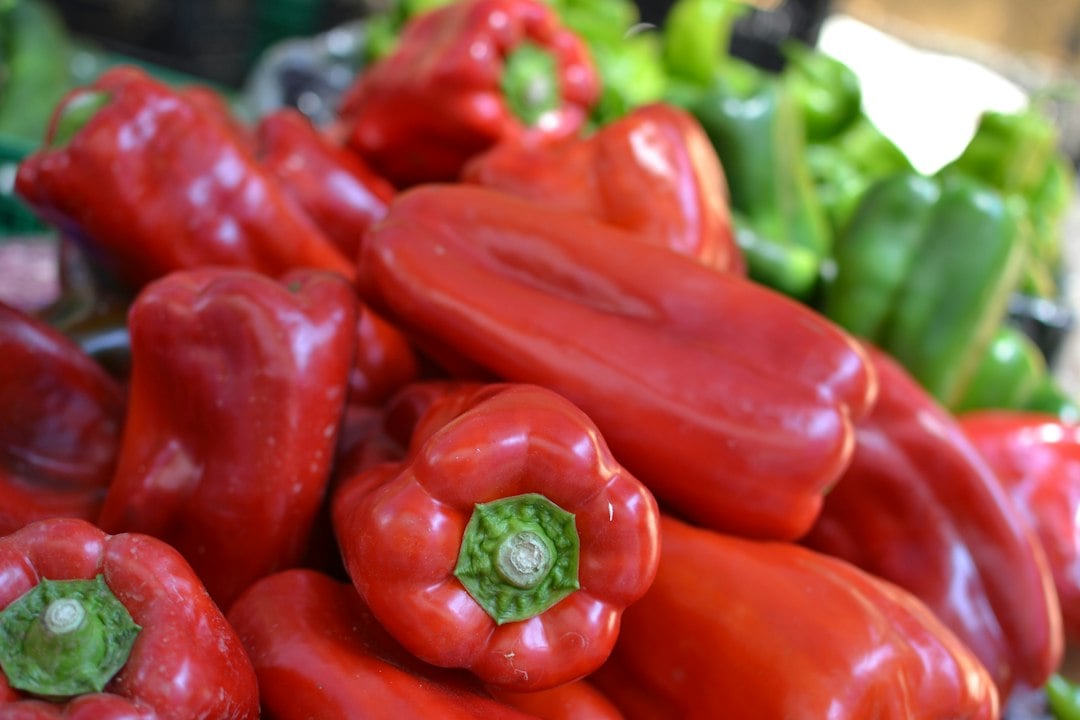
Your body can’t make or store much vitamin C, so a steady daily supply matters. Red bell peppers, citrus, kiwi, broccoli and strawberries are all great sources.
Vitamin D: the Northwest winter essential
Vitamin D helps your immune cells recognize invaders and respond in a balanced way, and it supports the protective linings of your airways. Your skin makes vitamin D from sunlight, but from about October through March the sun in the Pacific Northwest is too low for most of us to make much. That makes winter the season to pay attention to it.
Salmon, sardines, egg yolks and fortified foods help, but it’s hard to get enough from food alone. We can test your vitamin D level so you know where you stand and can support it in the right amount.
Zinc: the builder
Zinc helps your immune cells develop and communicate, including the T cells behind your Attack and Remember stages. It also supports skin and tissue repair, which is part of Cleanup. Oysters, beef, pumpkin seeds, chickpeas and cashews are good food sources. Many families keep zinc lozenges on hand to use at the first scratchy throat of the season.
With zinc, more isn’t always better. Taking a lot for a long time can throw off your copper balance, so it’s worth asking us what fits you.
Elderberry: a time-honored favorite
Elderberry has been part of traditional cold-season care for centuries. The deep purple berries are rich in anthocyanins, plant compounds that act as antioxidants. A spoonful of elderberry syrup is a simple, kid-friendly ritual many families lean on all winter.
Choose a prepared syrup, gummy or extract. Raw or unripe elderberries, and the plant’s leaves and stems, can upset your stomach.
Fresh, local elderberry syrup at our office. Through December, we have fresh elderberry syrup made right here in our community, sold as a fundraiser for Bayside Co-op Preschool. Stop by to try a sample and pick up a bottle, and you’ll be supporting a local preschool at the same time. Questions? Call us at (360) 922-0626.
Bonus: NAC
N-acetylcysteine, or NAC, helps your body make glutathione, one of its main built-in antioxidants. NAC also helps thin mucus, which is why many people like it when congestion settles into the chest.
Getting the most from your nutrients
- Start with your plate. Colorful produce, quality protein, nuts and seeds lay the foundation.
- Be consistent. Nutrients do their best work when they’re part of your daily routine, not just a rescue plan.
- Choose quality. We carry professional-grade immune support formulas, including Immune Support Packs and Bio-C Plus from Biotics Research and Total Multimune from Nutri-West, and we’re happy to help you choose what fits you.
- Pair them with healthy habits. Sleep, water, movement and time outdoors help your nutrients go further.
- Ask first if you’re pregnant, nursing or taking prescriptions, so we can help you choose safely.
Want a plan that fits you? Ask us at your next visit, or book online.
These statements have not been evaluated by the Food and Drug Administration. These products are not intended to diagnose, treat, cure, or prevent any disease. General education, not personal medical advice.
More from our immune series: Your Immune System’s Five-Stage Defense Team · Sleep, Stress and Your Defenses
Top photo by Odiseo Castrejon on Unsplash